A Shared World Heritage, A Shared Responsibility
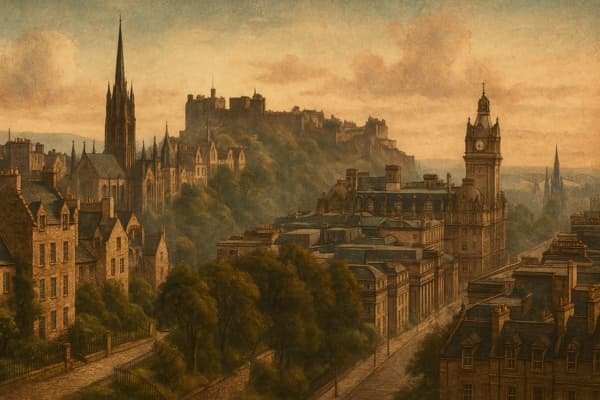
Edinburgh is unusual among world cities in that two very different urban landscapes sit side by side, each telling a distinct chapter of human history. In 1995, UNESCO recognised this rare pairing by inscribing Edinburgh’s Old Town and New Town together as a single World Heritage Site—not as separate entities, but as a unified story of urban development, architectural ambition, and social change.
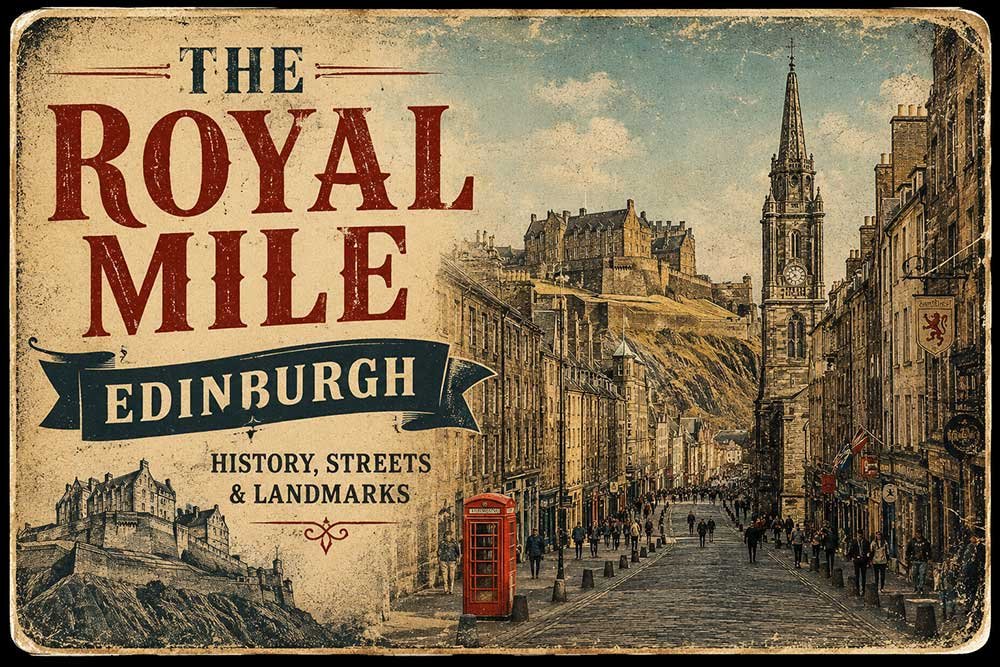
The Old Town, with its medieval street pattern, towering tenements, and dramatic topography, reflects centuries of organic growth within a constrained defensive landscape. Closes tumble down from the Royal Mile, revealing layers of domestic, religious, and civic life shaped by necessity and ingenuity. By contrast, the New Town represents the ideals of the Enlightenment made stone: ordered streets, harmonious proportions, and a belief that architecture could express reason, progress, and social improvement. Together, they form a living textbook of European urban planning.
Why UNESCO Status Matters
World Heritage designation is not an honorary badge; it is a commitment. UNESCO recognises Edinburgh for the outstanding universal value of this juxtaposition—where medieval survival and Georgian planning coexist not as museum pieces, but as functioning parts of a modern capital. The challenge lies precisely there: this is not a static site, but a lived-in city.
Conservation in Edinburgh therefore goes beyond preserving individual buildings. It encompasses skyline protection, materials, street patterns, views, and the delicate balance between residential life, commerce, and tourism. Decisions about development, infrastructure, and public space have consequences that ripple across centuries of history.
Overtourism and Its Pressures
In recent years, the popularity of Edinburgh—fuelled by global travel, festivals, cruise tourism, and social media—has brought growing pressures. While tourism is economically vital, unmanaged footfall risks eroding the very qualities visitors come to experience.
In the Old Town, narrow streets strain under peak-season crowds, accelerating wear on historic surfaces and reducing liveability for residents. Short-term lets can hollow out communities, turning neighbourhoods into transient spaces rather than places of belonging. In the New Town, commercial creep and insensitive alterations threaten architectural unity and residential character.
UNESCO has repeatedly stressed that World Heritage Sites must be actively managed. Without careful stewardship, there is a real risk that authenticity is diluted—not through dramatic destruction, but through gradual, cumulative change.
Conservation as a Living Practice
Conservation in Edinburgh is not about freezing the city in time. Cities must evolve. The task is to ensure that change respects scale, context, and historical intent. Sensitive reuse of buildings, high-quality contemporary architecture, and strong planning controls all play a role.
Equally important is recognising residents as custodians, not obstacles. A World Heritage Site that loses its everyday life risks becoming a stage set. Schools, shops, housing, and local services are as essential to preservation as stonework and cornices.
A Shared Future
Edinburgh’s Old and New Towns were shaped by very different visions, yet their survival into the 21st century depends on a single principle: care. Care in how the city is promoted, how visitors are managed, how development is judged, and how history is understood not as a commodity, but as a legacy.
UNESCO status places Edinburgh among the world’s most significant urban landscapes. With that status comes responsibility—to ensure that future generations inherit not a compromised attraction, but a living city whose past still informs its present.
Affiliate link
Edinburgh Quick Links
- Edinburgh Attractions
- Royal Mile – Places to visit
- What’s On
Share this page.